Swimming Pool Grating Manufacturers
Swimming pool gratings have an important role in maintaining hygiene, safety, and efficient water drainage around pool areas. These pool gratings are designed to collect overflow water, prevent slipping, and ensure a clean and safe poolside environment. Magline Pool is a leading swimming pool grating manufacturer, offering premium-quality grating solutions for residential, commercial, and recreational swimming pools.
Stainless Steel Swimming Pool Grating
As a leading Pool Grating Suppliers, we offer a wide range of swimming pool gratings manufactured from high-quality and durable materials to ensure long-lasting performance. Our pool gratings are highly resistant to water, pool chemicals, and changing weather conditions, making them ideal for continuous and long-term use around swimming pools.
For different design and functional requirements of customers, we provide various types of pool grates, including plastic pool grates, stainless steel pool grates, PVC grating and steel grates. Each option is designed for strength, safety, efficient drainage, and a clean poolside appearance.
Features of Swimming Pool Gratings
- Made from high-quality and durable materials
- Resistant to water, pool chemicals, and weather conditions
- Anti-slip surface for enhanced safety
- Strong load-bearing capacity
- Corrosion and rust resistant
- Smooth finish with aesthetic appeal
- Easy to install and maintain
- Available in plastic, stainless steel, and steel options
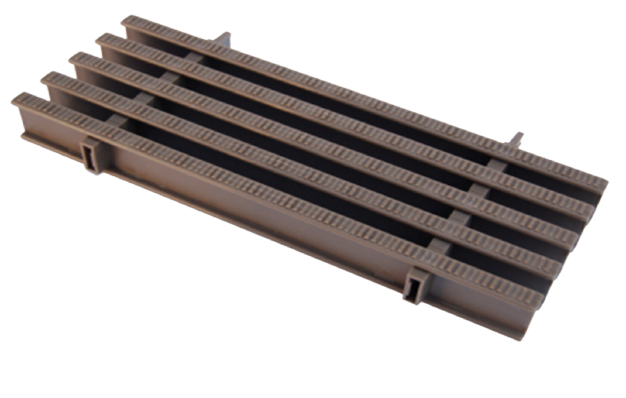
| Material | ABS |
| Usage/Application | Swimming Pool Grating |
| Color | White |
| Brand | DGM |
| Width | 15-20 inch |
| Length | 30-35 inch |
| Weight | 10-20 kg |
How do you clean pool overflow grating?
Swimming Pool Gratings are essential for maintaining hygiene standards, water flow, and poolside safety. Regular cleaning of Overflow grating swimming pool systems makes pool maintenance easy and effective. By routinely removing debris such as leaves, dust, hair, and algae from the grating and drainage channel, water flow remains smooth and blockage-free.
Our pool grating design is easy to clean and maintain, allowing quick removal of debris and ensuring proper water drainage at all times. Our user-friendly design helps reduce maintenance effort while improving hygiene and safety around the pool area. With durable materials and a smart structure, our stainless steel pool gratings support long-term performance and a clean, well-maintained swimming pool environment.
If you are looking to purchase Swimming Pool Gratings, you are at the right place. At Magline Pool, we provide high-quality pool grating solutions designed for durability, safety, and efficient drainage. With a wide range of reliable and aesthetically design pleasing products, we ensure you receive the best swimming pool grating solutions to meet your specific pool design and performance requirements.
FREQUENTLY ASKED QUESTION
The price of PVC grating can vary depending on the size, thickness, and color of the grating. In general, PVC grating is less expensive than other types of grating materials such as metal or fiberglass.
On average, you can expect to pay between $2 to $5 per square foot for PVC grating. However, the price can be higher for custom or specialty PVC grating, or if you purchase from a high-end supplier.
It’s important to note that the cost of installation is not included in the price of the PVC grating. If you hire a professional to install the grating, the cost of installation will be an additional expense.
Swimming pools can be constructed using a variety of materials, including:
Concrete: Concrete is a popular choice for in-ground pools. It is durable and can be customized in a variety of shapes and sizes. The interior of the pool is typically coated with plaster, tiles, or other finishes.
Fiberglass: Fiberglass pools are pre-molded and installed in the ground. They are durable and require less maintenance than concrete pools. They are available in a variety of sizes and shapes, but are not as customizable as concrete pools.
Vinyl: Vinyl pools are constructed by attaching a vinyl liner to a frame made of steel, aluminum, or polymer. They are less expensive than concrete or fiberglass pools, but are not as durable and may need to be replaced every 10-15 years.
Natural Stone: Natural stone pools are constructed using stones such as granite, limestone, or sandstone. They offer a unique and natural look, but are expensive to construct and require a high level of maintenance.
Above-ground pools: Above-ground pools are typically made of materials such as steel, aluminum, or resin. They are less expensive than in-ground pools and are easier to install, but are generally not as durable or customizable.
Overall, the choice of construction material for a swimming pool will depend on factors such as budget, location, personal preference, and maintenance requirements.
The most common material used in pool construction is concrete. Concrete is a popular choice for in-ground pools because it is durable, long-lasting, and can be customized in a variety of shapes and sizes. The construction process typically involves digging a hole, installing a framework of steel bars, pouring concrete into the framework, and finishing the surface with plaster, tiles, or other materials.
While concrete pools can be more expensive than other types of pools, they offer several advantages, including:
Customizability: Concrete pools can be designed to fit any size or shape, and can be customized with features such as waterfalls, fountains, and custom lighting.
Durability: Concrete is a strong and durable material that can withstand the elements and last for many years.
Value: Concrete pools can increase the value of a property, as they are seen as a desirable feature by many homebuyers.
However, it’s important to note that concrete pools require more maintenance than other types of pools, as the surface can be prone to staining and cracking over time. Proper maintenance, including regular cleaning, sealing, and resurfacing, is essential to keep the pool in good condition.
The best pool surface material will depend on your specific needs and preferences. There are several options to choose from, including:
Pebble Tec: Pebble Tec is a popular pool surface material that combines pebbles and cement to create a durable and long-lasting finish. It is available in a variety of colors and textures, and is resistant to staining and chipping.
Quartz: Quartz is another popular pool surface material that is made by combining crushed quartz with resin. It is durable, stain-resistant, and comes in a wide range of colors and finishes.
Glass: Glass pool surfaces are made by melting down recycled glass and pouring it onto a pool surface. They offer a unique and eye-catching look, but can be more expensive than other materials.
Tile: Pool tiles are a classic choice for pool surfaces. They are durable, easy to clean, and come in a wide range of colors and patterns. However, they can be more expensive to install than other materials.
Vinyl: Vinyl pool surfaces are an affordable option that are easy to install and come in a variety of colors and patterns. However, they are less durable than other materials and may need to be replaced every 10-15 years.
Overall, the best pool surface material will depend on your budget, maintenance requirements, and aesthetic preferences. It’s important to do your research and consult with a pool professional before making a decision.